
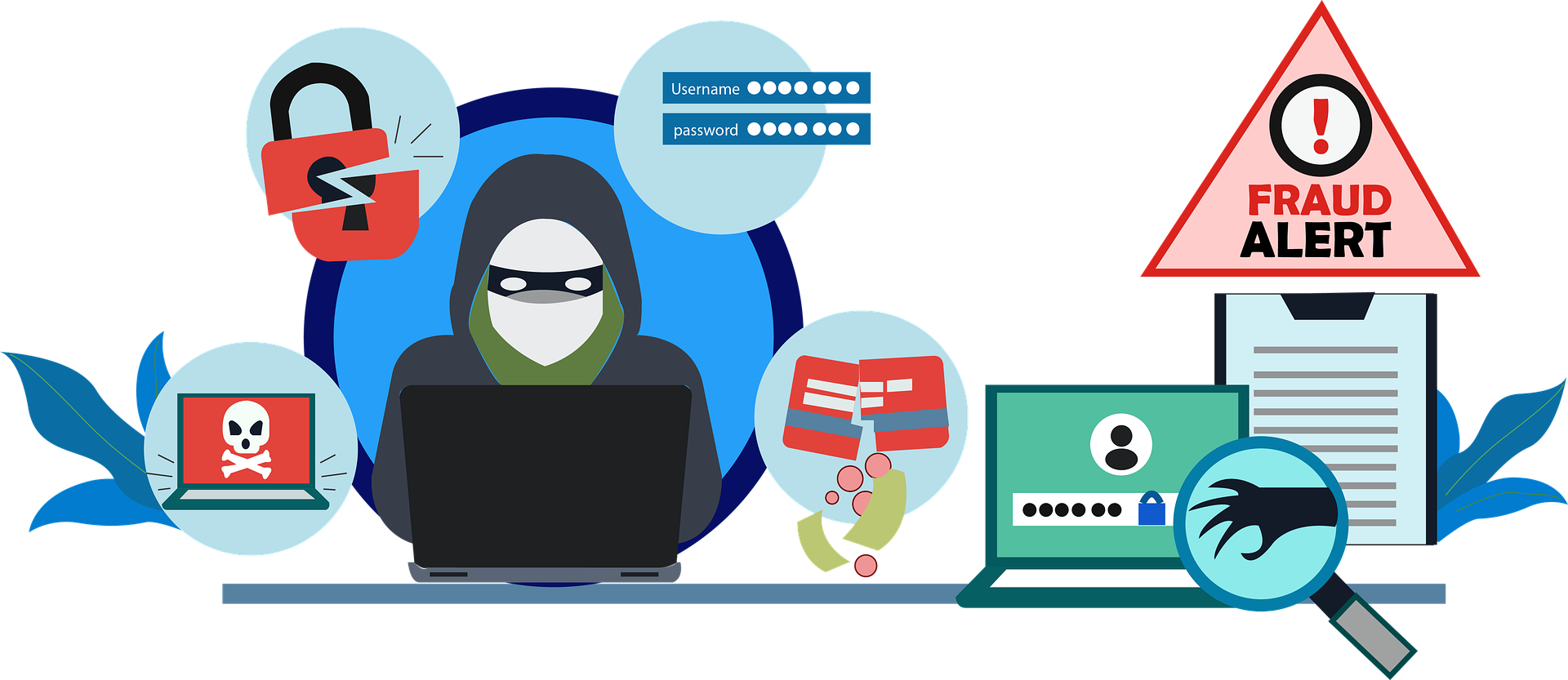
Stay one step ahead of digital tricksters in 2025
Online scams are everywhere — from fake delivery texts to sophisticated phishing emails that look just like messages from your bank. The good news? You can avoid almost all of them once you know what to look for.
Here’s how to recognize scams early and protect yourself effortlessly.
1. Trust your instincts (and double-check everything)
If something feels off — a message urging you to act fast, a deal that sounds too good, or an email asking for personal info — pause. Scammers thrive on urgency. Legitimate companies rarely pressure you to decide right now.
Before clicking, take 10 seconds to:
- Hover over links to see the real URL
- Check the sender’s full email address
- Look for misspellings or odd grammar
To build better awareness, start with our post:
👉 5 Simple Digital Safety Habits That Make Your Online Life Effortless
2. Watch for impersonation tricks
Scammers often pretend to be familiar brands or even friends. In 2025, AI-generated messages and voices are making these scams more convincing.
Tip: When in doubt, go directly to the official website or app instead of using links from messages.
3. Secure your social media
Social media is a goldmine for scammers — especially if you share travel plans, personal details, or job updates.
- Keep profiles private where possible
- Avoid posting sensitive data (like your workplace or location)
- Use strong, unique passwords (your password manager can help)
For a deeper understanding of online privacy and smart browsing, check out:
👉 What Is a VPN and Why You Need One in 2025
4. Use smart tools that do the hard work for you
Modern browsers, email providers, and security apps now automatically warn you about suspicious websites and downloads.
Turn on these built-in protections:
- Safe browsing mode (Chrome, Edge, Safari)
- Two-factor authentication (2FA) everywhere
- VPN for secure browsing on public Wi-Fi
If you’re new to these tools, our first post explains the Safivity approach:
👉 Welcome to Safivity: Your Guide to Smarter, Safer, and Simpler Living
5. Stay calm if you slip up
Everyone makes mistakes — scammers are professionals.
If you clicked something suspicious:
- Disconnect from the internet
- Run a full antivirus scan
- Change your passwords immediately
- Monitor your accounts for unusual activity
Online safety doesn’t have to be stressful. By staying alert and using the right tools, you can enjoy the convenience of the digital world without the constant worry.
Safivity’s rule of thumb: When in doubt, slow down — scammers can’t fool a calm mind.