
In an age where data is constantly being tracked, sold, and stolen, protecting your digital life has never been more important. Whether you’re working remotely, shopping online, or just streaming your favorite shows, your internet traffic is vulnerable — unless you use the right tools.
One of the simplest yet most powerful tools available is the VPN, or Virtual Private Network. But what exactly does it do? How does it protect you? And who really needs one?
This guide explains VPNs from the ground up — perfect for anyone new to online privacy or curious about how VPNs fit into today’s digital landscape.
What Is a VPN?
A VPN (Virtual Private Network) is a service that encrypts your internet traffic and routes it through a secure server before it reaches its destination. This makes it much harder for hackers, internet providers, and even governments to monitor your online activity.
When you connect to a VPN, your real IP address (the unique number that identifies your device on the internet) is hidden. Instead, websites and online services see the VPN server’s IP address — not yours.
In simpler terms:
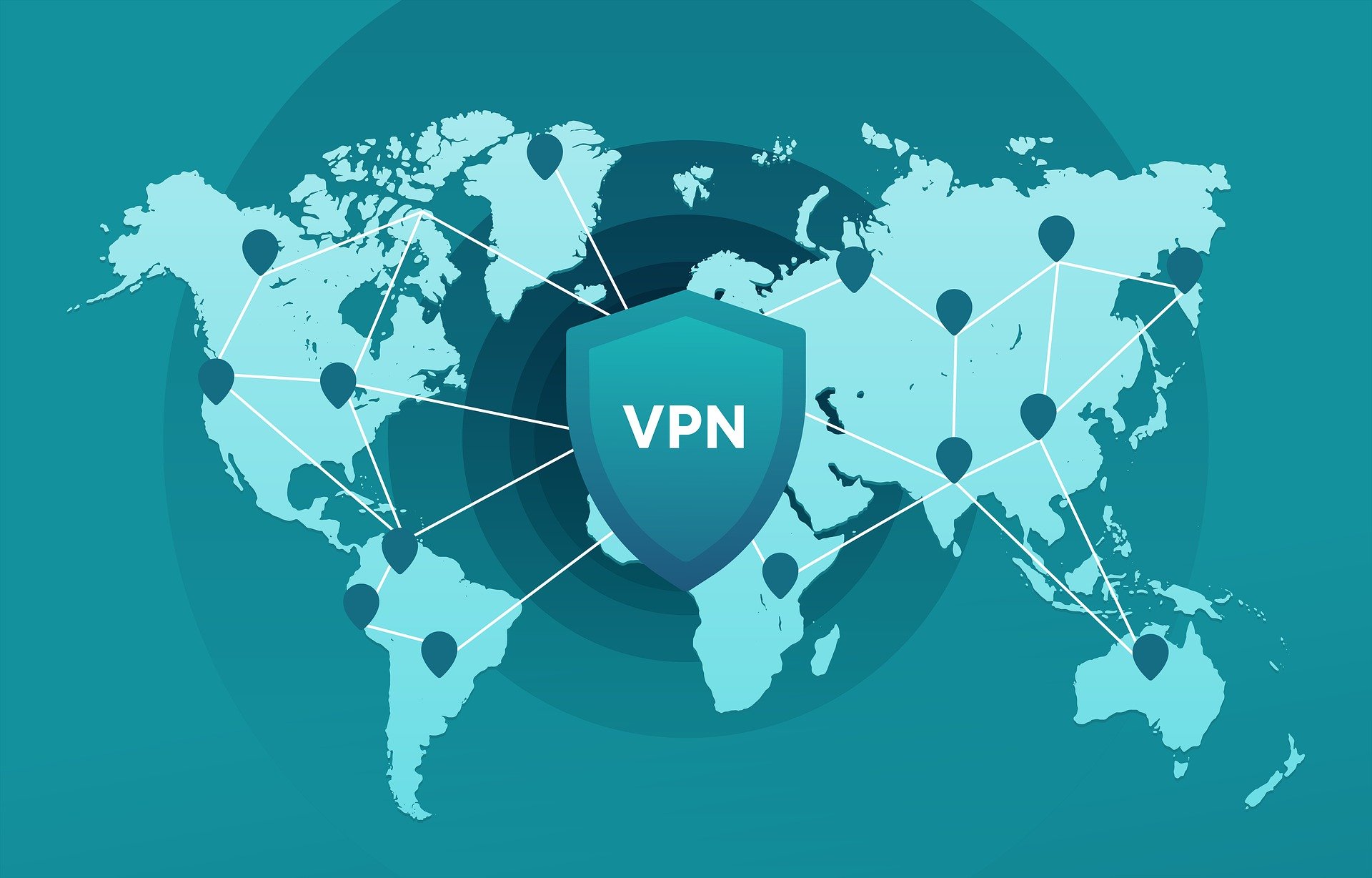
A VPN creates a secure tunnel between your device and the internet. Everything you do online passes through that tunnel, encrypted and invisible to prying eyes.
How Does a VPN Work?
Here’s what happens step-by-step when you connect to a VPN:
- Connection Initiation
You open your VPN app and connect to a server (for example, in Finland or Germany). - Encryption Begins
The VPN software encrypts all data leaving your device. Encryption means scrambling the information so no one else can read it without the decryption key. - Secure Tunnel Creation
The encrypted data travels through a secure “tunnel” between your device and the VPN server. Even if a hacker intercepts it, they’ll see only gibberish. - Server Relay
The VPN server decrypts your data and forwards it to the intended website or service. When that site replies, the VPN re-encrypts the response and sends it back to you. - IP Masking
To the outside world, your traffic appears to come from the VPN server — not from your device. This hides your location and identity online.
Example:
If you’re in Estonia but connect through a VPN server in the Netherlands, websites will think you’re browsing from the Netherlands. Your real Estonian IP is hidden.
Why Is a VPN Needed in 2025?
Many people still think VPNs are only for tech experts or hackers — but the truth is, everyone who uses the internet can benefit from one. The reasons have become even stronger in 2025.
1. Privacy Protection
Every time you browse, your Internet Service Provider (ISP) can see the websites you visit and even sell that data to advertisers. A VPN stops this by encrypting your traffic. Even your ISP can’t see what you’re doing online.
2. Security on Public Wi-Fi
Cafés, airports, hotels — all convenient, but also risky. Public Wi-Fi networks are prime hunting grounds for cybercriminals who use “man-in-the-middle” attacks to steal passwords, credit card data, or personal info.
A VPN encrypts your connection, even on untrusted networks, keeping you safe.
3. Protecting Remote Work & Freelancers
Remote and hybrid work is here to stay. Employees connecting to company networks from home or on the go are vulnerable. VPNs help ensure business data stays encrypted and secure, especially when using shared or public connections.
4. Bypassing Censorship & Geo-Restrictions
Some websites, services, and streaming platforms restrict content based on your location. A VPN can make it appear you’re browsing from another country, letting you access information freely — vital in regions with restricted internet access.
5. Preventing Tracking & Profiling
Advertisers, data brokers, and even social media platforms build detailed profiles of you — your habits, interests, and purchases. A VPN limits this tracking by hiding your IP and encrypting your activity.
6. Safer Online Shopping & Banking
Financial data deserves extra protection. VPN encryption helps shield sensitive information like payment details or login credentials when shopping or banking online.
7. Preventing Bandwidth Throttling
Some ISPs slow down (or “throttle”) your internet speed for certain activities like streaming or gaming. A VPN hides that activity, often improving consistency in your connection.
Who Should Use a VPN?
In short — almost everyone who values privacy, freedom, or security online.
But let’s break that down:
🔒 Everyday Internet Users
If you browse, stream, or shop online, a VPN ensures your activities aren’t tracked or sold. It’s one of the easiest privacy upgrades you can make.
👨💻 Remote Workers & Digital Nomads
Working from cafés, airports, or hotels means connecting to risky networks. VPNs encrypt work data and remote access to company resources.
🎬 Streamers & Entertainment Fans
Want to watch shows, sports, or YouTube content not available in your country? A VPN can change your virtual location and unlock region-restricted content.
🌍 Travelers & Expats
VPNs help travelers access home banking services or websites that may be blocked abroad — and keep communications private while using foreign networks.
🏢 Small Businesses & Teams
Even small companies need data security. VPNs protect communications between remote employees and internal systems.
🔐 Privacy Advocates & Journalists
For people living or working in restrictive environments, VPNs can be essential tools for staying anonymous and avoiding censorship.
Are VPNs Legal?
In most countries, yes — VPNs are perfectly legal to use.
You can safely use one to protect your privacy, access international content, and secure your connections.
However, some countries with strict internet controls (like China, Russia, Iran, or North Korea) may restrict or ban VPN use. It’s always best to check local laws before using a VPN while traveling.
What a VPN Doesn’t Do
While a VPN greatly enhances privacy, it’s important to understand its limits:
- It doesn’t make you completely anonymous. Your VPN provider could theoretically log activity (which is why choosing a reputable, no-logs service matters).
- It doesn’t protect you from malware or phishing — you still need good cybersecurity habits and antivirus protection.
- It can’t stop websites from tracking you via cookies or accounts if you’re logged in.
A VPN is one crucial layer of digital security — not a magic shield.
A VPN isn’t just for hackers or tech enthusiasts — it’s for anyone who values control over their digital life.
In 2025, when data breaches are rampant and online privacy feels harder to maintain, a VPN gives you back a measure of power and safety. Whether you’re protecting your business files, safeguarding your family’s browsing, or just streaming securely, a VPN is one of the smartest, easiest privacy tools available.
Take a few minutes to set one up — your future self will thank you.
Helpful Sources:
https://nordvpn.com/blog
https://protonvpn.com/blog
https://www.eff.org/issues/privacy